

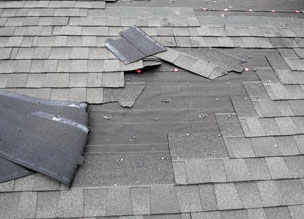
Storm & Hail Damage Roof Repair in Elgin & Kane County
Kane County sits squarely in northern Illinois' hail and wind belt. Every spring and summer, storms roll across Elgin, South Elgin, St. Charles and Bartlett and leave behind bruised shingles, missing tabs and dented gutters — and a wave of out-of-town roofers knocking on doors. DFC Roofing has been here since 1979 and will be here when your warranty matters. We inspect, document, tarp if you need it, work with your insurance adjuster and do the repair or replacement right.
- Free storm damage inspection with photo documentation
- Emergency tarping and temporary repairs
- We meet your adjuster and walk the roof together
- Local, licensed (IL 104-004825), bonded & insured since 1979
Get a Free Estimate
Hail, high winds or a tree on the roof — tell us what happened and a DFC Roofing project manager will call you back to schedule a free storm damage estimate. If water is coming in right now, call us instead.
- Two quick questions, name and phone — that's it.
- We call you back, usually the same business day.
- Family owned since 1979. Licensed • Bonded • Insured.
Prefer to talk? (630) 289-2224
After the Storm: What to Do First
- Stay off the roof. Wet shingles and hidden damage are how homeowners get hurt. Look from the ground and the attic.
- Stop the water. If it's coming in, put a bucket down, move furniture, and call us for a tarp. Photograph the interior damage first.
- Take photos and note the date. Shingles in the yard, dented gutters and downspouts, hail on the deck, damaged screens, siding and AC fins. Save any weather alerts.
- Get a real inspection before you file. We'll tell you whether the damage looks like a claim or just cosmetic. Filing a claim that gets denied still goes on your record.
- Call your insurance company if the inspection supports it, and let us know the claim number and adjuster date.
- Don't sign with the first person on the porch. More on that below.
Signs of Hail & Wind Damage
Hail
- Round bruises or "dimples" in shingles with granules knocked away
- Granules piled in gutters and at downspout outlets after the storm
- Dents in gutters, downspouts, roof vents, flashing and AC fins
- Cracked or split cedar shakes; chipped paint on metal
- Damage concentrated on the slopes that faced the storm
Wind
- Missing shingles or tabs, especially at ridges, edges and corners
- Creased or lifted shingles that no longer lie flat (the seal strip is broken)
- Exposed nail heads and torn underlayment
- Displaced ridge cap, flashing or roof vents
- Debris and branches on the roof; damaged gutters and soffits
Some damage is obvious; a lot of it isn't from the ground. Our roof inspection covers every slope and every penetration.
HOW WE DOCUMENT DAMAGE
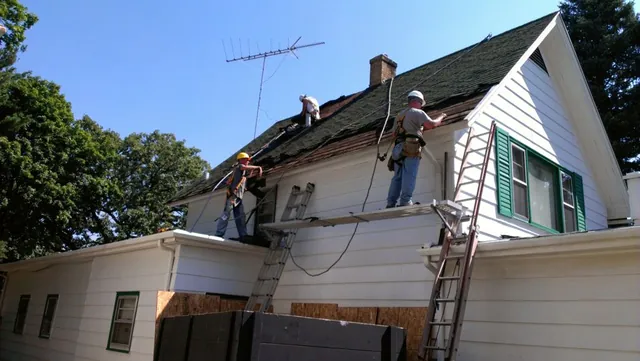
A claim is only as good as its documentation. We photograph each slope, mark and count hail hits per test square the way adjusters do, photograph collateral damage (gutters, vents, siding, screens), note the storm date and measure the roof. You get the photos. If the damage doesn't meet the threshold for a claim, we'll tell you that too — and quote the repair as a normal roof repair.
WORKING WITH YOUR INSURANCE ADJUSTER
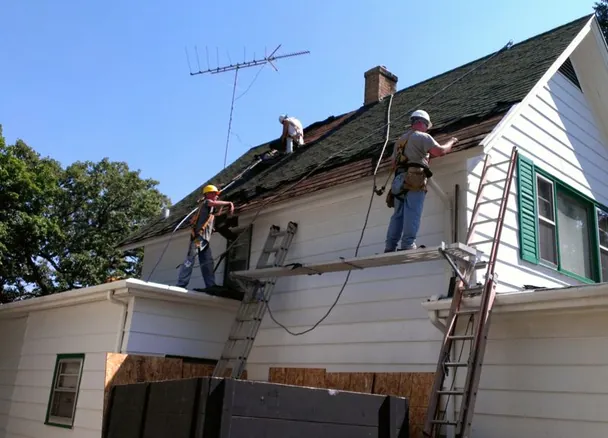
Once you've filed, the carrier sends an adjuster. We meet them at your house and walk the roof together so nothing gets missed — damaged flashing, vents, gutters, decking, code-required upgrades like ice-and-water shield. If the adjuster's scope leaves something out, we document it and submit a supplement. When the scope is settled we do the work per the estimate, and the final invoice goes to you and the carrier so any depreciation holdback gets released. You choose your contractor — not the insurance company — and you should choose one who will still be here in ten years.
Not sure whether to file? Start with a free estimate. Filing a claim that gets denied can still count against you, so it's worth knowing first.
Emergency Tarping & Temporary Repairs
When a storm opens a roof, the first job is to stop the water. Call (630) 289-2224; we'll get out with tarps and temporary patching as fast as our schedule allows, secure the roof properly (not just weighted with bricks), and photograph the damage while we're up there. Emergency mitigation is a normal, generally covered part of a storm claim — keep the invoice. Then we schedule the permanent repair or replacement.
Don't Sign With a Storm Chaser
After every big hail event, crews from out of state show up in Elgin, St. Charles and Schaumburg neighborhoods with clipboards. Some are legitimate; many aren't. Before you sign anything:
- Ask for the Illinois roofing license number and look it up. Ours is 104-004825.
- Ask for a local address you can drive to. Ours is 1360 River Rd, South Elgin.
- Ask how many years they've been in business under that name. We've been Dyna-Flow Corporation since 1979.
- Don't sign an "assignment of benefits" or a contract "contingent on insurance approval" on the porch. Read it at the kitchen table, or don't sign it.
- Never pay a large deposit before materials are delivered.
- Illinois law gives you the right to cancel certain home-repair contracts within a few business days — ask before you sign, not after.
Was Your Roof Under One of These Storms?
We keep a dated record of every severe storm over Kane County and the western suburbs in 2025 and 2026, taken from National Weather Service reports — measured wind gusts and observed hail, town by town, with a link to the Weather Service record for each event.
Storm Damage FAQ
Does homeowners insurance cover hail damage to my roof?
Most standard Illinois homeowners policies cover sudden wind and hail damage, minus your deductible. What they don't cover is wear and tear or an old roof that simply reached the end of its life. Some newer policies pay actual cash value on older roofs rather than replacement cost, and some carry a separate wind/hail deductible — check your declarations page or ask your agent. We'll give you an honest read on whether the damage looks like a claim before you file.
How soon do I have to file a storm damage claim?
As soon as you reasonably can. Policies require "prompt" notice and many set a specific window; the longer you wait, the harder it is to tie the damage to a particular storm. If a storm came through and you suspect damage, get the roof inspected within a few weeks and file promptly if the inspection supports it.
What does hail damage look like on a shingle roof?
Round bruises or dents where granules are knocked loose and the mat underneath is exposed or fractured, often in a random pattern across the slope facing the storm. Dented gutters, downspouts, soft metal vents and AC fins are the tell from the ground. Hail bruises aren't always visible from the driveway — that's why we get on the roof.
Should I sign with the roofer who knocked on my door after the storm?
Be careful. Out-of-town "storm chasers" flood an area after a hail event, sign homeowners to contracts and assignments of benefits, and are gone before the warranty matters. Illinois has a Home Repair and Remodeling Act for a reason. Verify the license, verify the local address, ask how long they've been in business and don't sign anything on the porch. DFC Roofing has been at the same trade since 1979 and is at 1360 River Rd in South Elgin.
Do you offer emergency tarping?
Yes. If a storm has opened your roof, call (630) 289-2224. We'll get a tarp or temporary patch on as quickly as our schedule allows to stop the water, document the damage while we're up there, and schedule the permanent repair. Emergency mitigation is generally covered by insurance — keep the invoice.
Will you meet with my insurance adjuster?
Yes, and we recommend it. We meet the adjuster at your home, walk the roof together and point out everything we documented, so the scope of the claim reflects the actual damage. Customers have told us we "took care of everything with the insurance company and made it very easy."
Storm Damage Service Area
We handle hail and wind damage across Elgin, South Elgin, St. Charles, Geneva, Batavia, Bartlett, Schaumburg, Hoffman Estates and the rest of Kane, Cook and DuPage counties — see all service areas.